Telephone Caller Search: 480 550 3229, 513-854-0674, 3145648000, 8004160599, 8883827472, 48602420401, 2053411107, 8007620276, 760-444-5750 & 4109651234

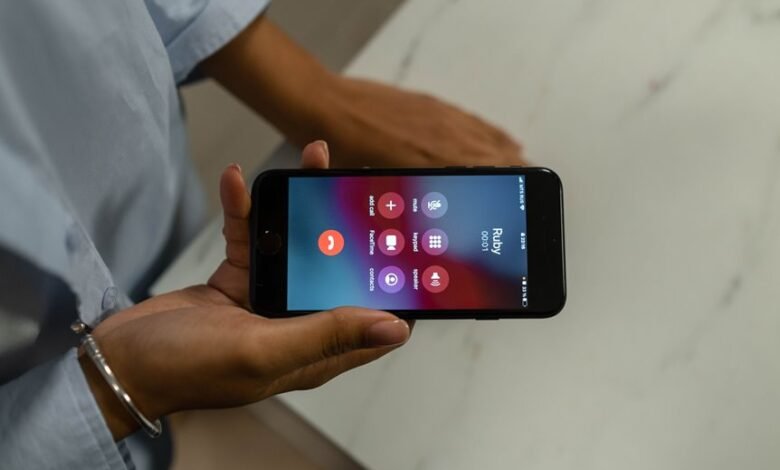
Telephone Caller Search analyzes numbers like 480 550 3229, 513-854-0674, 3145648000, and others to infer geographic origin via area codes and prefixes, while prioritizing opt-in privacy and minimal data exposure. It emphasizes real-time verification from trusted sources, anomaly detection for scams, and anonymized metadata within strong governance. The approach balances transparency with consent, yet leaves questions about practical limitations and safeguards to be addressed as the method evolves.
What a Telephone Caller Search Tells You
A telephone caller search reveals the origin and basic details of a call, offering a snapshot of who initiated contact and when it occurred.
The process supports caller tracing to identify patterns while preserving anonymity where possible.

It emphasizes privacy safeguards, limiting data exposure and enabling consent-based access.
Information is presented objectively, with minimal interpretation or speculation.
How to Decode Area Codes and Prefixes
How can area codes and prefixes be interpreted to locate the geographic origin of a call? Area codes indicate broad regions, while prefixes refine to local exchanges. Understanding these identifiers supports a privacy-respecting caller search approach, revealing patterns without revealing personal data. This method emphasizes transparency, consent, and minimal data exposure while noting that area codes and prefixes guide geographic awareness in caller search.
Practical Tools for Tracing Numbers Safely
Practical tools for tracing numbers safely emphasize privacy-preserving methods that minimize data exposure while yielding actionable insights. Researchers favor non-intrusive data sources, anonymized metadata, and opt-in reports. Phone tracing should respect consent, limit collection, and encrypt results. When used responsibly, these practices bolster caller safety, facilitate legitimate investigations, and preserve user autonomy without compromising security or privacy.
Verifying Identities and Spotting Scams in Real Time
To build on the emphasis on privacy-preserving tracing from the prior discussion, real-time verification of identities and scam detection requires rapid, trustworthy data sources and strict data governance. Verifying identities hinges on minimal data sharing, verifiable signals, and consent-driven access.
Spotting scams relies on anomaly detection, caller behavior, and transparent alerts, enabling individuals to act confidently while preserving autonomy and privacy.
Frequently Asked Questions
Can Callers Be Traced Without Legal Authority?
Case-specific tracing requires legal authority; callers cannot be traced unilaterally. The text emphasizes caller permissions, jurisdiction limits, quindi sanity, and upholds privacy while outlining lawful procedures for evidence and oversight within applicable rules.
Do Numbers Hide Owner Identities by Default?
Caller identities are not hidden by default; numbers may reveal information, but privacy risks persist. The analysis emphasizes transparency and caution, noting that caller identity can be withheld or masked by certain services, yet traces remain possible.
What Privacy Risks Come With Reverse Lookups?
Reverse lookups expose personal data, revealing ownership, location, and behavior patterns. Privacy risks include unexpected profiling and targeted solicitations; data sharing amplifies exposure across platforms, vendors, and third parties, potentially eroding anonymity and control over one’s information.
How Accurate Are Caller ID Spoofing Reports?
Caller ID accuracy varies; spoofing reports reliability is imperfect, as tracing without authority remains constrained and owner identity visibility can be limited. Reverse lookup privacy persists, while app based blocking challenges complicate widespread protection and user autonomy.
Can Numbers Be Permanently Blocked by Apps?
Approximately 60% of users report persistent blocking effectiveness, though no solution is perfect. A blocked caller remains prone to spoofing risks; apps can deter but not guarantee complete privacy, highlighting user autonomy and ongoing verification.
Conclusion
In sum, the so-called “Telephone Caller Search” pretends to unveil origins while safeguarding privacy, a delicate ballet of anonymized data and opt-in consent. Yet the real trick remains: reveal as little as possible, then claim transparency. By decoding area codes and sniffing prefixes, it hints at identity while avoiding intrusion—until it doesn’t. Real-time checks, anomaly flags, and governance sit in the wings, silently policing scams, and keeping user trust on stage, with privacy as the understudy. Satirical, but practical.