
Private Investigator: How Professional Investigations Help Protect Businesses From Intellectual Property Theft

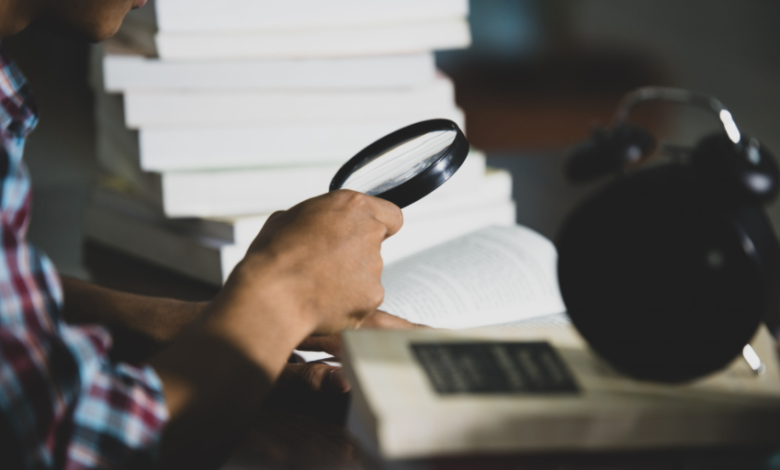
Intellectual property is one of the most valuable assets a modern business can possess. From original product designs and creative materials to trademarks, confidential business information, and proprietary technology, organizations invest considerable resources in developing and protecting their intellectual assets. When these assets are used, distributed, or disclosed without authorization, the consequences can include financial losses, commercial disputes, and reputational damage. A private investigator can provide valuable assistance by examining suspected intellectual property violations and collecting relevant information through lawful investigative procedures.
Professional intellectual property investigations focus on identifying facts, documenting potential infringement, and helping businesses understand circumstances involving their protected materials. These investigations frequently require cooperation between investigators, attorneys, technical specialists, and company representatives.
An experienced private investigator combines research expertise, analytical thinking, confidentiality, and professional judgment to support organizations facing complex intellectual property concerns.


Understanding Intellectual Property Investigations
An intellectual property investigation involves examining circumstances connected to the suspected unauthorized use, disclosure, reproduction, or distribution of legally protected materials.
Intellectual property may include trademarks, copyrighted works, patents, trade secrets, original designs, and other assets recognized under applicable laws.
A private investigator may assist businesses by gathering legally accessible information, verifying relevant claims, examining documentation, and identifying activities that require further legal assessment.
However, determining whether a particular activity legally constitutes infringement may require specialist legal analysis.
The investigator’s responsibility is to establish reliable facts rather than independently decide questions of intellectual property law.
Why Businesses Hire a Private Investigator for Intellectual Property Matters
Organizations often rely on intellectual property to distinguish themselves from competitors and maintain their commercial position.
When unauthorized use is suspected, an independent investigation may help establish what occurred and whether sufficient information exists to justify further action.
Protecting Valuable Business Assets
Original designs, proprietary materials, and other intellectual assets may represent years of development and financial investment.
Professional investigative assistance can help businesses document suspected unauthorized activities involving these resources.
Examining Commercial Misrepresentation
Certain disputes involve concerns that another organization is using similar branding or making potentially misleading commercial representations.
A private investigator may assist with gathering relevant public information for professional review.
Supporting Legal Proceedings
Intellectual property disputes sometimes lead to civil litigation or other formal legal processes.
Attorneys may require investigative assistance to identify relevant facts, preserve appropriate documentation, or locate potential witnesses.
Reducing Business Uncertainty
Rumors about intellectual property misuse can create unnecessary concern.
Professional fact-finding helps organizations evaluate available evidence before making accusations or taking formal action.
Common Types of Intellectual Property Investigations
Different categories of intellectual property require different investigative approaches.
A private investigator should understand the nature of the assignment and coordinate with appropriate specialists when technical or legal expertise is required.
Trademark Investigations
Trademarks help businesses distinguish their products and services from those offered by other organizations.
When suspected misuse occurs, investigators may examine relevant public materials, business records, and commercial representations.
Their findings can help trademark professionals evaluate the circumstances.
Copyright Investigations
Copyright protects qualifying original works under applicable laws.
Businesses and creators may request investigative assistance when they discover suspected unauthorized reproduction or distribution of protected content.
A professional investigator may document publicly accessible material and preserve relevant information for legal review.
Trade Secret Investigations
Trade secrets can include confidential commercial information that provides a business with competitive value and is subject to appropriate secrecy protections.
When unauthorized disclosure is suspected, an investigator may assist with examining relevant circumstances through properly authorized procedures.
Patent-Related Investigations
Patent disputes can involve complex technical and legal questions.
A private investigator may support factual research, while patent attorneys and qualified technical experts assess questions concerning patent rights and potential infringement.
Counterfeit Product Investigations
Businesses may encounter products presented as genuine branded merchandise despite concerns about their authenticity.
Investigators can assist with relevant market research and documentation, coordinating with appropriate authorities or specialists where necessary.
How a Private Investigator Conducts an Intellectual Property Investigation
Professional investigations require an organized process to ensure that findings are accurate, relevant, and lawfully obtained.
Initial Assessment of the Concern
The investigator begins by discussing the suspected issue with the client.
The organization may provide information about its intellectual property, relevant documentation, and the circumstances that prompted concern.
Establishing Investigation Objectives
A clearly defined scope helps determine which activities require examination.
For example, an assignment may involve documenting potentially unauthorized online use of a company’s trademark or reviewing specific allegations involving confidential commercial information.
Examining Existing Documentation
Investigators may review materials lawfully supplied by authorized company representatives.
These can include relevant agreements, registration documents, business correspondence, and other appropriate information.
Gathering Additional Information
The investigator examines legally accessible sources and collects relevant information according to the agreed investigation plan.
Evaluating Findings
Collected material is assessed to determine which facts can be verified and whether important inconsistencies remain.
Preparing a Professional Report
The final report explains the investigative activities, relevant findings, supporting documentation, and any significant limitations.
The Role of Private Investigators in Trademark Protection
Brand identity is an important component of commercial success.
When businesses suspect that their trademarks are being used improperly, professional investigation may assist with documenting relevant circumstances.
Examining Public Commercial Materials
Investigators may review publicly accessible business information or promotional materials connected to a legitimate trademark-related assignment.
Verifying Relevant Business Details
Official corporate records may help establish appropriate information about organizations involved in a commercial dispute.
Documenting Potential Misuse
Relevant findings should be recorded accurately without exaggerating their legal significance.
Supporting Trademark Attorneys
An investigator’s factual findings may help qualified legal professionals determine whether additional examination or formal action is appropriate.
Private Investigation and Confidential Business Information
Companies frequently maintain confidential information relating to operations, customer relationships, development activities, and commercial strategies.
Unauthorized disclosure can create significant concerns, particularly when the information provides competitive value.
A private investigator may assist businesses with examining suspected information misuse when suitable authorization exists.
Reviewing Authorized Internal Records
Relevant organizational records may provide information about the circumstances surrounding a reported disclosure.
Investigators must comply with applicable employment, confidentiality, and data protection requirements.
Examining Relevant Agreements
Confidentiality agreements and other contractual documents may establish obligations concerning particular information.
Investigators may review these materials for factual context, while legal interpretation should be handled by qualified attorneys.
Identifying Documented Discrepancies
An investigation may reveal inconsistencies requiring additional technical or legal examination.
However, investigators should avoid assuming that every information-management problem indicates deliberate misconduct.
Digital Intellectual Property Investigations
The growth of electronic commerce and digital communication has created additional challenges for organizations seeking to protect intellectual assets.
Copyrighted content, brand materials, and proprietary information may appear across different online environments.
A private investigator may assist with appropriate digital research and evidence documentation.
Reviewing Publicly Available Online Material
Public websites and commercial platforms may contain information relevant to a legitimate intellectual property investigation.
Investigators should document findings carefully and consider whether the information is current and authentic.
Preserving Electronic Evidence
Digital material can change over time.
Proper preservation helps maintain relevant information for subsequent professional review.
Working With Digital Forensic Specialists
Certain assignments involve technical questions that require specialized knowledge.
Investigators may collaborate with qualified forensic professionals when necessary.
Respecting Digital Access Restrictions
An intellectual property investigation does not justify hacking, unauthorized account access, or interception of protected communications.
All digital research must remain within lawful boundaries.
How Intellectual Property Theft Can Affect a Business
Suspected misuse of intellectual property may create several commercial challenges.
The actual impact depends on the nature of the asset, the circumstances, and the applicable legal protections.
Financial Consequences
Unauthorized commercial use may affect revenue or create additional expenses associated with investigating and addressing the matter.
Brand Reputation Concerns
Misleading or unauthorized branding can create confusion among customers.
Competitive Disadvantages
Disclosure of qualifying confidential business information may affect a company’s competitive position.
Legal Expenses
Intellectual property disputes may require specialist legal advice, technical examination, and formal proceedings.
Operational Disruption
Businesses may need to allocate management resources to resolving disputes instead of concentrating exclusively on routine operations.
A private investigator can contribute relevant factual information to help organizations understand these concerns.
Importance of Evidence in Intellectual Property Investigations
Reliable evidence is essential when assessing potential intellectual property violations.
Professional investigators must collect and organize relevant information without altering its meaning or exaggerating its significance.
Accurate Documentation
Important findings should be recorded clearly, including relevant dates and the source of supporting information.
Evidence Authenticity
Investigators should consider whether documents and digital materials can be independently verified.
Proper Evidence Handling
Collected information must be stored appropriately to protect its integrity.
Maintaining Confidentiality
Sensitive commercial records should be accessible only to authorized individuals.
Avoiding Unsupported Conclusions
A private investigator should distinguish documented facts from allegations and questions requiring legal interpretation.
Legal and Ethical Responsibilities During Intellectual Property Investigations
Intellectual property investigations must comply with applicable laws, including privacy, data protection, employment, and information-access requirements.
Professional investigators should never use unlawful methods simply because a client believes its commercial rights have been violated.
Respecting Confidential Records
Restricted business information should not be accessed without proper authorization.
Avoiding Unauthorized Entry
Investigators must respect property rights and cannot enter private commercial premises without lawful permission or authority.
Following Privacy Regulations
Personal information collected during investigations must be handled in accordance with relevant legal requirements.
Maintaining Professional Independence
Investigative findings should remain objective even when they do not support the client’s original concerns.
Coordinating With Legal Professionals
Questions concerning intellectual property ownership, infringement, and legal remedies should be evaluated by appropriately qualified attorneys.
How to Choose a Private Investigator for Intellectual Property Cases
Selecting an investigator with relevant experience is important because intellectual property disputes often involve specialized legal and technical considerations.
Experience With Commercial Investigations
Investigators familiar with business-related assignments may better understand corporate documentation and commercial research procedures.
Knowledge of Intellectual Property Matters
Although an investigator does not replace an intellectual property attorney, familiarity with the general nature of these disputes can support effective fact-finding.
Professional Licensing
Clients should verify that the investigator satisfies applicable licensing and registration requirements.
Confidentiality Standards
A reputable investigator should explain how sensitive business information will be protected.
Clear Reporting Procedures
Investigation findings should be factual, organized, and supported by appropriate documentation.
Transparent Service Agreements
A written agreement should identify the assignment’s scope, expected fees, authorized activities, and reporting arrangements.
Preventing Intellectual Property Problems Through Responsible Business Practices
Professional investigation can help organizations respond to suspected misuse, but preventive measures are also important.
Businesses should establish appropriate procedures for identifying, managing, and protecting their valuable intellectual assets.
Maintaining Accurate Ownership Records
Proper documentation can help establish relevant information about intellectual property rights.
Using Appropriate Confidentiality Agreements
Where suitable, businesses may establish contractual protections for confidential information.
Reviewing Information Access
Organizations should limit access to sensitive commercial materials according to legitimate operational requirements.
Educating Employees
Staff members should understand their responsibilities concerning confidential business information and intellectual property.
Monitoring Legitimate Commercial Concerns
Businesses may periodically review appropriate public information to identify potential issues requiring professional assessment.
A private investigator can provide independent assistance when a specific matter requires additional factual examination.
Frequently Asked Questions About Intellectual Property Private Investigations
Can a Private Investigator Investigate Trademark Misuse?
Yes. A private investigator may help document relevant public information, verify business details, and gather appropriate evidence for assessment by qualified trademark professionals.
Can Private Investigators Investigate Stolen Business Information?
Investigators may assist with authorized fact-finding concerning suspected misuse or unauthorized disclosure of confidential commercial information.
Can Investigation Evidence Be Used in Intellectual Property Lawsuits?
Potentially. Admissibility depends on applicable evidence rules, the relevance and authenticity of the material, and the methods used to obtain it.
Can a Private Investigator Access a Competitor’s Confidential Records?
No. Investigators cannot obtain restricted business records through unauthorized access, deception, or other unlawful methods.
Do Private Investigators Work With Intellectual Property Lawyers?
Yes. Professional investigators may collaborate with attorneys and technical specialists to assist with legitimate intellectual property matters.
How Long Does an Intellectual Property Investigation Take?
The duration depends on the complexity of the assignment, availability of relevant information, geographical requirements, and technical resources necessary to complete the work.
Conclusion
Intellectual property protection is essential for businesses that invest in original products, creative materials, confidential information, and recognizable brand identities. When concerns arise involving suspected unauthorized use or disclosure, a private investigator can provide valuable assistance through independent research, evidence documentation, and professional fact-finding.
From trademark disputes and copyright concerns to trade secret investigations and counterfeit product matters, investigative services can help organizations establish relevant facts before pursuing additional action.
An experienced private investigator understands that intellectual property investigations require accuracy, confidentiality, legal compliance, and cooperation with qualified specialists. By combining professional investigative expertise with appropriate legal guidance and responsible business practices, organizations can better understand potential threats to their intellectual assets and make informed decisions about protecting their commercial interests.


