Boat and cargo lifts play a critical role in protecting vessels, equipment, and waterfront investments along the South Carolina coast. In areas like Charleston and Myrtle Beach, where saltwater exposure, tides, and weather conditions can be demanding, proper lift selection and maintenance are essential for long-term performance and safety. Understanding how these systems work and how to care for them can save boat owners significant time, money, and stress.
Choosing professional marine lift services such as Boat and Cargo Lifts Carolinas ensures your equipment is installed and maintained with coastal conditions in mind, helping protect your boat while improving convenience and reliability at your dock.
Understanding Boat and Cargo Lift Systems
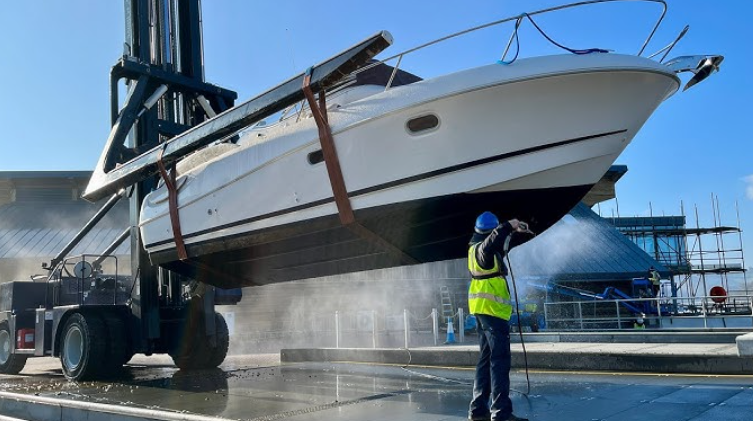
Boat and cargo lifts are mechanical systems designed to raise vessels, jet skis, and heavy marine equipment out of the water. By lifting boats above the waterline, these systems reduce hull wear, prevent marine growth, and minimize corrosion caused by prolonged saltwater exposure.


Cargo lifts, on the other hand, are designed to transport heavy items such as supplies, coolers, tools, and construction materials from boats or docks to elevated platforms. Both systems require precise engineering and durable materials to withstand harsh marine environments.
Common lift types include:
- Vertical boat lifts
- Elevator-style boat lifts
- Floating lifts
- Dock-mounted cargo lifts
Each type serves a different purpose depending on dock layout, water depth, and vessel size.
Why Proper Lift Maintenance Matters
Maintaining a boat or cargo lift is not just about performance—it’s about safety. A poorly maintained lift can fail unexpectedly, causing damage to boats, docks, or people nearby.
Regular maintenance helps:
- Extend the lifespan of the lift system
- Prevent costly repairs or replacements
- Ensure safe operation
- Maintain smooth lifting and lowering
In coastal South Carolina, routine inspections are especially important due to saltwater corrosion, humidity, and storm exposure.
Essential Maintenance Tips for Boat Lifts
Boat lifts require consistent care to remain reliable throughout the year. Even high-quality systems can degrade without attention.
Inspect Cables and Pulleys
Cables should be checked regularly for fraying, rust, or uneven wear. Pulleys must spin freely and remain properly aligned to avoid added strain on the motor.
Check Motors and Gearboxes
Lift motors and gearboxes should be inspected for unusual noises, leaks, or overheating. Lubrication should follow manufacturer recommendations.
Monitor Structural Components
Beams, cradles, and mounting brackets should be checked for corrosion, cracks, or loose hardware. Early detection prevents major failures.
See also: How to Improve Inventory Management for Small Businesses
Cargo Lift Maintenance Best Practices
Cargo lifts are designed to handle heavy loads, but they still require proper care to function safely.
Key maintenance steps include:
- Ensuring guide rails are clean and aligned
- Inspecting lifting platforms for structural integrity
- Testing safety stops and limit switches
- Keeping electrical components protected from moisture
Regular servicing keeps cargo lifts running smoothly and safely.
Importance of Professional Installation
Even the best lift system can underperform if it’s not installed correctly. Professional installation ensures proper alignment, weight distribution, and secure mounting.
Marine professionals understand tidal ranges, dock structures, and load requirements specific to South Carolina’s coastline. Correct installation reduces wear and prevents premature system failure.
Working with experienced providers like Boat and Cargo Lifts Carolinas helps ensure lifts are tailored to local water conditions and long-term use.
Coastal Challenges in South Carolina
South Carolina’s coastal environment presents unique challenges for marine equipment. Saltwater accelerates corrosion, while fluctuating tides and storms place added stress on lift systems.
Common environmental factors include:
- Saltwater corrosion
- High humidity
- Strong winds and storms
- Marine growth on submerged components
Choosing corrosion-resistant materials and scheduling routine maintenance are key strategies for managing these challenges.
Choosing the Right Lift for Your Dock
Selecting the right lift depends on several factors, including boat size, dock design, water depth, and intended use.
Consider the following when choosing a lift:
- Weight capacity requirements
- Dock configuration
- Frequency of use
- Local tide variations
Professional marine service providers can evaluate your dock and recommend the most suitable lift system.
Benefits of Raising Boats Out of Water
Keeping boats lifted when not in use provides several advantages beyond convenience.
Benefits include:
- Reduced hull cleaning and maintenance
- Lower risk of algae and barnacle buildup
- Protection from wave action and debris
- Improved fuel efficiency due to cleaner hulls
Over time, these benefits translate into significant cost savings and improved vessel longevity.
Safety Considerations for Lift Owners
Safety should always be a top priority when operating boat and cargo lifts. Improper use or neglected maintenance can lead to accidents.
Key safety tips:
- Never exceed weight limits
- Keep hands and feet clear during operation
- Regularly test safety switches
- Restrict access to authorized users
Routine professional inspections further enhance safety and reliability.
Signs Your Lift Needs Professional Service
While routine checks can catch many issues, some signs indicate the need for professional servicing.
Watch for:
- Uneven lifting or tilting
- Slow or jerky movement
- Unusual noises from motors
- Visible corrosion or cable damage
Addressing these issues early prevents larger, more expensive repairs later.
Long-Term Value of Professional Lift Services
Investing in professional lift services adds long-term value to your waterfront property. Well-maintained lifts enhance dock usability, protect valuable boats, and improve overall safety.
Professional servicing ensures:
- Compliance with safety standards
- Optimal system performance
- Extended equipment lifespan
- Peace of mind for property owners
These benefits make professional care a smart investment for any dock owner.
Preparing Lifts for Storm Season
Storm preparation is especially important along the South Carolina coast. Securing lifts before severe weather helps prevent damage.
Preparation steps include:
- Raising boats to recommended storm height
- Disconnecting power if advised
- Securing loose components
- Scheduling pre-storm inspections
After storms, professional inspections help identify hidden damage.
Final Thoughts on Boat and Cargo Lift Care
Boat and cargo lifts are essential tools for protecting marine investments and improving dock efficiency. With proper selection, professional installation, and consistent maintenance, these systems deliver reliable performance even in challenging coastal conditions.
By understanding maintenance needs and working with experienced marine service professionals, dock owners in South Carolina can enjoy safer operations, longer-lasting equipment, and greater peace of mind year-round.