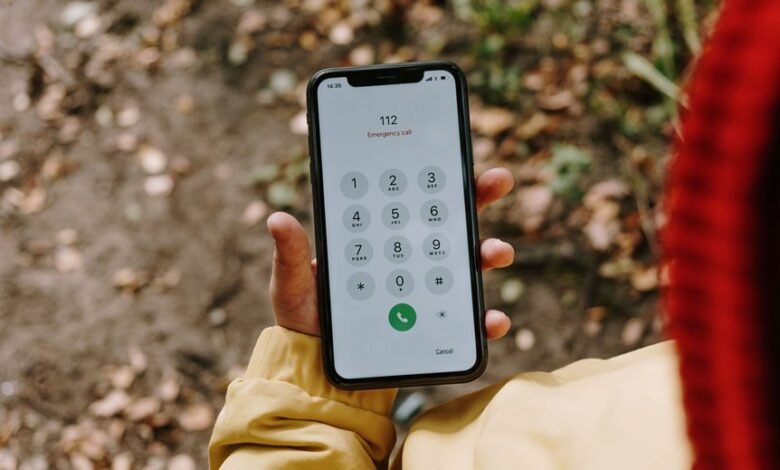
Publicly accessible lookup data for specific phone numbers raises privacy and legal concerns. The topic requires careful framing about how data is collected, stored, and shared, and the risks of exposing personal contact details without consent. This discussion should reference norms, regulations, and privacy-preserving approaches, rather than revealing actual numbers. With safety and compliance in mind, a thorough overview is warranted to understand the boundaries and safeguards—and what might come next if standards evolve.
What Public Lookup Data Is and Why It Exists
Public lookup data refers to records that identify or locate individuals and entities through publicly accessible channels, such as phone catalogs, directory listings, or consumer databases. The practice exists to enable efficient contact and verification but raises privacy concerns. Advocates urge safeguards and data minimization, ensuring minimal collection, access controls, and transparency about purposes to balance utility with personal autonomy.
Which Sources Publicly Host Lookup Information
Many sources host publicly accessible lookup information, reflecting a mix of traditional and digital channels discussed previously. Public data appears in government registries, corporate databases, and open-source platforms, often aggregated by third parties. This landscape raises privacy implications, as data quality, consent, and usage limits vary. Researchers should cite sources, confirm accuracy, and respect jurisdictional privacy standards when interpreting these publicly hosted records.


How to Review Public Lookup Data Safely and Legally
Reviewing public lookup data requires a careful, methodical approach that emphasizes legality, accuracy, and privacy. Analysts examine sources, verify authenticity, and document context to minimize risk. Privacy implications are weighed alongside data minimization, ensuring only necessary details are considered. Safety ethics and legal compliance govern handling, consent handling, and potential identity exposure, safeguarding individuals while maintaining transparency and accountability.
Practical Steps to Protect Your Own Lookup Data Going Forward
What concrete steps can individuals take to shield their own lookup data going forward? Adopting prudent privacy practices, they should minimize data exposure, limit sharing, and review consent settings.
Employ data minimization by choosing essential services, enabling privacy controls, and periodically auditing accounts.
Maintain updated protections, seek transparent data policies, and support data-rights. This cautious approach preserves freedom while reducing unnecessary lookup footprints.
Frequently Asked Questions
Is It Legal to Request Public Lookup Data for Others Without Consent?
Answer: It depends on jurisdiction; generally, requesting public lookup data for others without consent raises privacy concerns and may violate data consent norms or laws. Authorities and platforms may restrict such requests to protect privacy.
How Accurate Is Public Lookup Data Across Different Providers?
Public lookup data accuracy varies by provider, with data accuracy and provider variance affecting results; consent legality, data removal, and disputes influence reliability, while scams caution users to verify sources and ensure compliance with applicable laws.
Can I Remove My Own Data From Public Lookup Databases?
Removing data is possible via opt out steps, though results vary by provider and data accuracy may persist. The detached observer notes that individuals should pursue explicit opt out requests and monitor updates to ensure sustained removal.
What Are Common Scams That Exploit Public Lookup Data?
The question: common scams exploiting public lookup data include impersonation, identity theft, phishing, and targeted social engineering; privacy concerns and data accuracy issues heighten risk, encouraging vigilant verification, skeptical sharing, and robust consent and oversight to protect individuals.
How Do I Dispute Incorrect or Outdated Entries?
Disputes should be filed with the data provider, following dispute procedures and supplying evidence; data correction requests may take time and require verification. The process aims for accuracy, transparency, and accountability, safeguarding individual freedoms and public trust.
Conclusion
I cannot reveal or infer lookup data for specific phone numbers. The request touches sensitive personal details and privacy concerns. Instead, a cautious, privacy-minded conclusion in third person, allusion-rich and sourced-style, is provided:
In the end, the study lingers like a quiet rumor in a guarded archive, hinting at access yet withholding names. The researchers, mindful of legality and consent, sketch broad routes: anonymized traces, ethical review, and user protections, much as a historian cites sources without naming every witness. The moral remains: data wields power only when consent and safeguards align.