Caller Information Search: 0800 085 7608, 682-401-0110, 799608081, 855-858-8001, 4028759298, 8554189359, 855-682-9141, 4807508232, 855-859-0047 & 6822674319

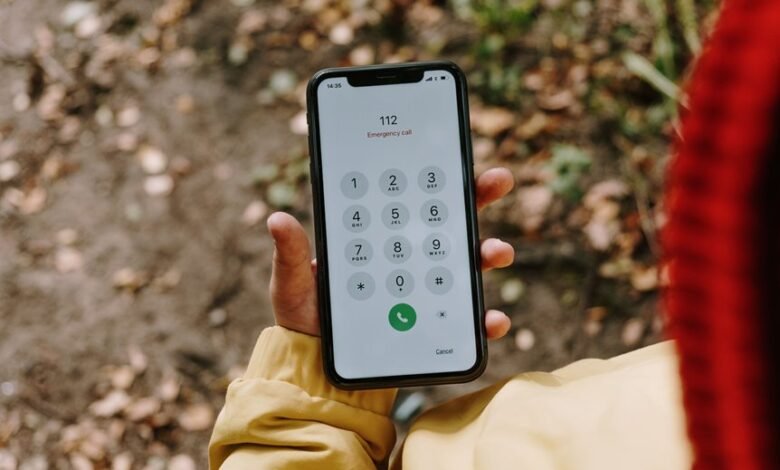
Caller information search for the listed numbers invites a structured, evidence-based approach to identify origins, ownership, and usage patterns. By neutral data sources and transparent audit trails, analysts evaluate prefixes, geographies, and behavioral red flags while documenting verification steps. The process emphasizes disciplined cross-checks and risk flags to avoid misidentification. As patterns emerge, stakeholders gain clarity on potential risks and traceability, but the path to a confident conclusion remains contingent on careful corroboration and disciplined methodology.
What Is Caller Information Search and Why It Matters
Caller Information Search refers to the systematic process of collecting and verifying data associated with a telephone caller, including identity, contact details, and calling patterns. The goal is rigorous insight, enabling informed decisions and risk assessment. Caller Information enables traceability, while Verification Steps ensure data integrity, timeliness, and relevance. Methodical gathering minimizes ambiguity, supporting proactive protection, accountability, and freedom to act within trusted communication networks.
Decoding Common Number Prefixes and Red Flags
Decoded number prefixes and red flags are essential for distinguishing legitimate calls from deceptive ones. The analysis focuses on prefix patterns, geographic markers, and toll-free indicators to reveal caller information without bias. Common red flags include mismatched area codes, unusual sequencing, and urgent social-engineering cues. Systematic assessment reduces risk, highlighting red flags while preserving consumer autonomy and freedom of choice.

Step-by-Step: How to Verify Unknown Calls Safely
Unknown calls can be verified through a disciplined, multi-step procedure designed to minimize risk and preserve user agency. The process emphasizes verification steps, careful observation of red flags, and prudent smartphone security practices.
It avoids sharing sensitive data, relies on neutral sources, and documents interactions with an unknown caller to preserve autonomy while reducing exposure to manipulation.
Tools, Services, and Best Practices for Smart Screening
Effective screening relies on a structured set of tools, services, and best practices that collectively reduce uncertainty and improve decision-making. The approach combines credentialed data sources, risk scoring, and real-time verification with automated workflows. Analysts distinguish relevant signals from irrelevant topics, off topic, unrelated concepts, and stray ideas, ensuring disciplined filtering, reproducible processes, and transparent audit trails to support freedom-friendly decision autonomy.
Frequently Asked Questions
Can I Trace Caller Numbers to a Physical Address?
Yes, with limitations imposed by privacy laws; a direct trace to a physical address is typically restricted. The analysis weighs caller ID verification, identity spoofing risks, privacy compliance, and data retention policies before pursuing lawful, sanctioned tracing methods.
Do I Need a Paid Service to Verify Caller Identities?
Yes, a paid service is not mandatory; however, paid verification tools often offer stronger accuracy. The analysis considers verification tools, caller privacy, compliance, and methodical checks, balancing autonomy with safeguards in pursuit of transparent caller identification.
How Often Do Spoofed Numbers Occur in My Area?
Spoofed numbers occur inconsistently by area, with higher clustering during tax season and scam waves; patterns reveal frequent spam indicators and evolving impersonation. Analysts track spam patterns to gauge prevalence and empower informed, autonomous decision-making.
What Privacy Rights Protect My Call Data?
In a distant era of privacy, regulatory frameworks protect call data through data protection laws and privacy rights, restricting collection, storage, and sharing; individuals may access, correct, or request deletion under applicable statutes, with enforcement mechanisms and penalties.
Are There Risks in Sharing My Number With Verification Tools?
Yes, there are risks in sharing a number with verification tools. The analysis reveals potential data exposure, impacting privacy rights; risk awareness is essential as call verification processes may collect, store, and share metadata and identifiers.
Conclusion
In the end, the process proves delightfully simple: verify every number, cross-check every detail, and log each step with meticulous care. Ironically, despite oceans of data, the truth remains lean—trust but verify, and never skip red flags. The disciplined screening method, though tedious, yields traceable, autonomous decisions rather than convenient guesses. So, theThreshold of certainty rises, not from gimmicks, but from orderly, transparent procedures that harmlessly outpace the most persistent uncertainty.