Phone Number Verification: 4055314680, 877-753-8851, 277984600, 561 242 5780, 204-201-1022, 681876203944, 0800 019 0537, 5596507123, 6015762501 & 451 404 202

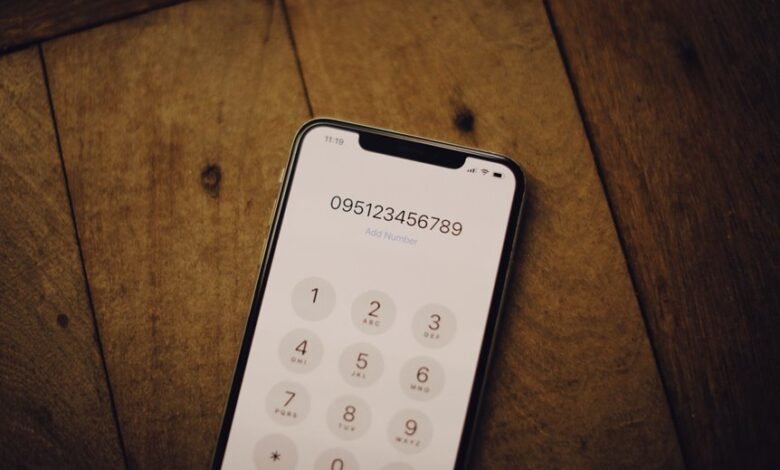
Phone number verification across diverse formats raises questions about reliability, privacy, and user experience. The discussion will assess how multi-factor checks, rate limiting, and device signals contribute to accuracy, while guarding data minimization and consent. It will also consider operational challenges posed by varied numbers and formats, and how governance, auditing, and transparent practices influence trust. The topic invites careful evaluation before selecting methods, with implications for design and compliance guiding future decisions.
What Is Phone Number Verification and Why It Matters
Phone number verification is the process of confirming that a user possesses a specific telephone number and that it can receive messages or calls.
The analysis focuses on accuracy, reliability, and risk assessment. Verification methods are evaluated for effectiveness and transparency, with attention to privacy considerations. The aim is informed choice, balancing security needs against user autonomy and data protection.

How Verification Works: Methods, Formats, and Best Practices
Verification mechanisms for phone number authentication combine readily available channels with structured procedures to confirm ownership and reachability.
Verification methods balance security and usability, applying multi-factor checks, rate limits, and device signals.
Privacy considerations guide data minimization and retention.
User experience focuses on clarity and speed, while data formats ensure interoperability.
Fraud prevention and compliance standards anchor validation, auditing, and risk assessment.
Designing for Accuracy, Privacy, and UX Across Formats
To design for accuracy, privacy, and user experience across formats, one must balance verification signals with format-specific constraints and user expectations.
The approach analyzes privacy bias and accuracy tradeoffs, evaluating how signals degrade or reinforce trust across channels.
Methodical testing reveals where privacy protections may impair usability, guiding cautious choices that honor autonomy while preserving reliable verification outcomes.
Implementation Roadmap: From Choice of Method to Monitoring and Compliance
What sequence best ensures reliable adoption and ongoing compliance when selecting a verification method, implementing it, and establishing monitoring? A disciplined roadmap balances verification latency and user experience, aligning with opt in consent and regulatory requirements. Phaseed deployment, measurable benchmarks, and continuous auditing enable adjustments, while transparent reporting sustains trust. Governance, risk, and privacy safeguards underpin sustainable, freedom-minded implementation.
Frequently Asked Questions
How Do Carriers Flag Suspicious Verification Attempts Effectively?
several carriers flag suspicious verification attempts by scoring signals, applying risk scoring models, and enforcing cross border verification checks; this minimizes onboarding delays while preserving security, yet can trigger false positives amid legitimate activity and varying regional norms.
What Legal Risks Arise From Cross-Border Phone Verifications?
Approximately 35% of cross-border verifications face regulatory scrutiny, highlighting legal risks in cross border compliance. Authorities emphasize data minimization and consent; telecommunication privacy laws vary, requiring cautious governance to mitigate penalties and ensure accountable verification practices.
Can Verification Delay Impact User Onboarding Timelines?
Verification latency can extend onboarding timelines, creating onboarding delay risk. It affects cross border legitimacy assessments, with regional formatting challenges complicating verification. The methodical conclusion: delays undermine user freedom by hindering timely access and trust.
How to Handle Numbers With Format Inconsistencies Across Regions?
Cross-border formats demand format consistency, regional normalization, legitimacy checks, and cross border compliance; the approach is analytical, cautious, and methodical, ensuring freedom-oriented audiences understand that inconsistent numbers undermine trust and hamper onboarding.
What Metrics Indicate Successful Fraud Reduction Post-Implementation?
Fraud metrics show reduced incidents, lower average loss, and stable false positive rates; onboarding delays slightly increase initially but normalize as controls mature, indicating a cautious yet favorable trend toward sustained risk reduction and operational efficiency.
Conclusion
In the realm of numbers, verification is a careful navigator steering a ship through fog. Allegory: a lighthouse keeper audits each beam, knowing some signals lie, others mislead. The methodical crew blends multiple beacons—format checks, rate limits, device signals—while preserving privacy as a sturdy hull. With continuous auditing and consent, the voyage remains reliable. The shore of trust grows nearer as compliance dimly glows, guiding users and systems toward accurate, autonomous connections.