Unknown Contact Number Insights and Search Report: 919462825, 900622220, 917696960, 911095200, 948151930, 976320982, 91116, 41148200, 613135045 & 932022202

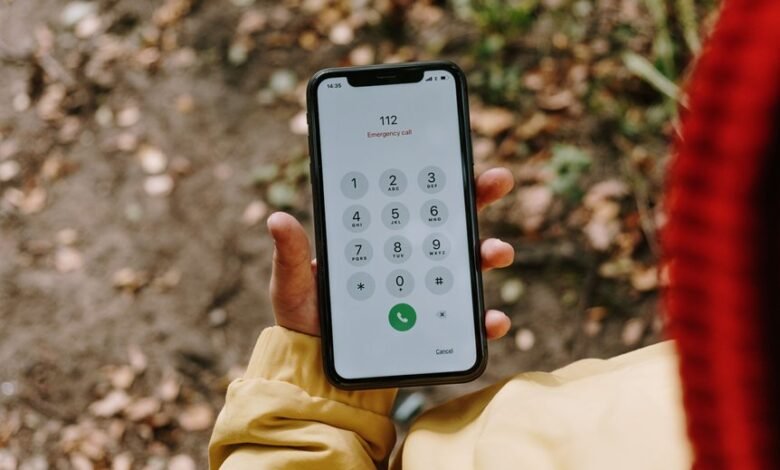
Unknown numbers carry contextual signals that can illuminate caller intent without exposing identities. This discussion surveys timing patterns, regional indicators, and usage cycles across the listed sequences, applying verification tools and cross-source checks to avoid assumptions. The goal is a practical framework for de-risking interactions while preserving privacy. The report suggests concrete steps for assessment and filtering, but leaves unresolved how specific signals should weigh against privacy constraints, inviting further scrutiny and method refinement.
What Unknown Numbers Reveal About Caller Context
Unknown numbers often carry contextual signals that can be analyzed without access to the caller’s identity. The analysis focuses on patterns in timing, frequency, and relation to known contacts, revealing caller context. Origins signals emerge from regional prefixes and usage cycles, while red flags indicate anomalous activity. This approach emphasizes objective assessment, reducing bias while highlighting actionable insights about unknown numbers.
Decoding Each Number: Origins, Signals, and Red Flags
Decoding Each Number: Origins, Signals, and Red Flags requires a precise, data-driven approach that separates frequency, timing, and regional indicators from presumed identity. The analysis assesses decoding origins, identifying signals within caller context, and unknown numbers reveal patterns without bias. It emphasizes verification tools, practical steps, risk management, and privacy best practices to inform responsible decision making and freedom-aware assessment.

Practical Verification: Tools and Steps to Identify Unknown Contacts
A practical verification framework combines reliable tools with step-by-step procedures to confirm the identity or legitimacy of unknown contacts. Analysts compare caller context, metadata, and historical patterns, employing reverse lookups, carrier traces, and public records. When discrepancies arise, correlation across sources clarifies unknown numbers, enabling informed judgments without intrusive measures, while preserving user autonomy and data integrity for responsible verification.
Managing Risk and Privacy: Best Practices for Blocking, Filtering, and Safe Interactions
Effective risk and privacy management in communication channels hinges on structured blocking, filtering, and safe interaction practices that minimize exposure to unwanted or harmful contacts while preserving legitimate communication flows.
The analysis emphasizes unknown numbers and caller context privacy best practices, detailing blocking strategies, heuristics for dynamic policy updates, and monitoring metrics to balance accessibility with protection against misuses and privacy breaches.
Frequently Asked Questions
Can Unknown Numbers Affect Credit or Financial Records?
Unknown numbers themselves do not directly alter credit records; however, associated fraudulent activity can. Unknown patterns and international scams may trigger fraud alerts, account freezes, or investigations, potentially impacting credit scores and reporting timelines until verified.
Do International Numbers Indicate Scam Patterns Reliably?
International patterns alone do not reliably indicate scams; unknown numbers can reflect legitimate contact. Analysts look for consistent scam indicators such as urgency and requests, while preserving caller privacy. freethinkers note complexity, caution, and nuanced interpretation of data.
Are There Legal Limits to Blocking Unknown Callers?
Blocking unknown callers is legally constrained by jurisdiction; there are limits and obligations. Unknown blockers may face legal consequences if blocking logic discriminates or violates consumer rights. Authorities emphasize transparency, opt-in processes, and documented policy for responsible usage.
How Do Telecommunication Policies Vary by Country?
Telecom regulations vary by country, reflecting differing balances between caller privacy and telecommunications security. Comparative analysis shows diverse frameworks, enforcement mechanisms, and standards for blocking, with robust privacy protections present alongside pragmatic access to emergency and legitimate calling needs.
Can Voice Metadata Reveal Caller Identity Without Disclosure?
Voicemail metadata may not reliably reveal caller identity; metadata limitations constrain disclosure. Identity verification requires consent and lawful basis, or independent verification, while voice data alone cannot definitively establish identity without corroborating information.
Conclusion
Unknown contact numbers act like weather vanes, signaling shifting patterns without exposing identities. The analysis treats timing, regional fingerprints, and usage rhythms as objective signals, cross-validated across sources to de-risk interactions. Each number is decoded for origin cues and red flags while preserving privacy. Verification tools, cross-checks, and practical steps form a rigorous framework. In sum, actionable insights emerge from careful correlation, enabling safer filtering and informed engagement without compromising user anonymity.