Discover Unknown Caller Details Through Number Records: 669500322, 936245538, 971265854, 919490624, 604010253, 976305790, 928303759, 654333191, 677873547 & 634854763

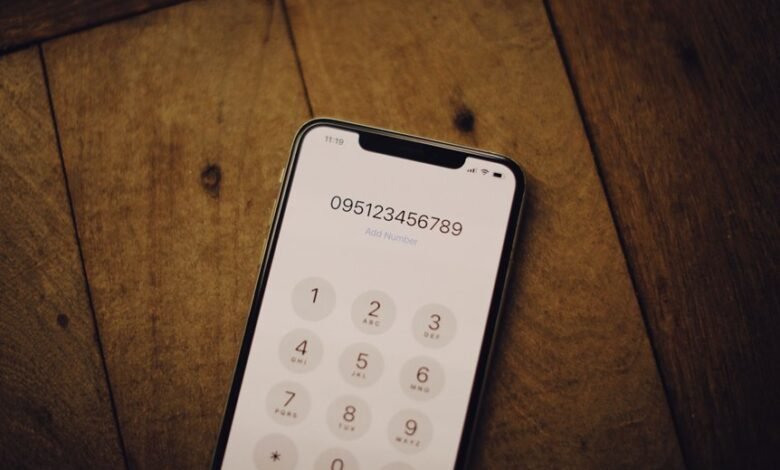
Unknown caller numbers can be treated as digital footprints, not random disturbances. An evidence-based approach examines timing, routing, and call frequency to infer patterns while respecting privacy boundaries. Cross-checking public records, validating sources, and noting inconsistencies help establish provenance. Ethical and legal safeguards—consent, data minimization, audit trails, and transparency—are essential to accountability. The discussion pauses at a frontier where method meets privacy, inviting careful, disciplined inquiry into what these digits might reveal.
What Numbers Reveal About Unknown Callers
Unknown numbers carry signals that can be decoded to reveal caller characteristics and patterns. This analysis treats numbers as data points, not mere nuisances.
Uncertain callers generate digital footprints shaped by timing, frequency, and routing. Patterns emerge through metadata and call behavior, offering cautious inference about intent and reliability.

Evidence-based scrutiny emphasizes privacy, legality, and the limits of inference for freedom-friendly governance.
How to Verify Caller Identity Ethically and Legally
There are several established, evidence-based approaches to verify caller identity that balance accuracy with ethical and legal considerations.
The process emphasizes retrieve caller identity from verified sources, while maintaining data ethics and privacy safeguards.
Transparent criteria and documented consent support risk reduction, enabling organizations to uphold civil liberties, minimize harm, and sustain trust in communications systems without compromising individual rights or due process.
Practical Steps to Trace and Cross-Check the Digits You Listed
Practical steps to trace and cross-check the digits listed require a methodical, data-driven approach that minimizes risk and preserves privacy.
The analysis concentrates on Unknown caller indicators, assembling Digital footprints from public records and meta-data.
Systematic Caller verification follows: corroborate sources, note inconsistencies, document provenance, and apply Privacy safeguards to avoid unnecessary exposure, ensuring responsible, evidence-based conclusions.
Safeguards and Best Practices for Privacy and Risk Reduction
How can privacy-preserving measures and risk controls be systematically integrated into caller identification practices? The discussion delineates safeguards that minimize privacy risks while enabling ethical verification. Structured protocols emphasize data minimization, consent, audit trails, and transparency. Analytical frameworks assess residual risk, enforce accountability, and promote user autonomy. Evidence-based recommendations encourage ongoing evaluation, standardization, and training to sustain responsible, freedom-respecting identification processes.
Frequently Asked Questions
Can These Numbers Be Used to Harass Anyone Legally?
The answer: No, these numbers cannot be used to harass anyone legally. Privacy ethics and data accuracy demand responsible use; misuse invites legal risk. An analytical stance considers consent, intent, and admissible evidence in any harassment claim.
What Is the Global Legality of Reverse-Number Lookup?
Reverse-number lookup legality varies globally; generally allowed with consent or legitimate purpose, but stringent privacy protections apply. Allegorically, a lantern reveals paths only to those who honor privacy law and data ethics, avoiding harassment or misuse.
Do These Digits Indicate Spoofed or Cloned Numbers?
The digits alone do not conclusively prove spoofing; however, multiple indicators raise suspicion. Spoofing indicators include inconsistent metadata and caller-id mismatches, while data accuracy may be compromised by atypical routing or prepaid interconnections.
How Reliable Are Public Databases for Unknown Calls?
Public databases offer limited reliability for unknown calls; they provide hints, not certainties. They require scrutiny of data accuracy, while privacy concerns persist, demanding cautious use. Analysts remain skeptical, yet they pursue evidence-based conclusions about call origins.
Can You Monetize Findings From These Records Ethically?
Ethical monetization is possible with strict privacy safeguards, transparent consent, and verifiable provenance; however, monetization must prioritize user welfare, avoid harm, and adhere to legal norms, ensuring data protection and accountability before any monetization strategy.
Conclusion
This analysis treats the listed digits as data points in a broader metadata framework rather than standalone identifiers. By triangulating timing, routing, and frequency with corroborated public records, patterns emerge that can inform, not confirm, caller identity. Although the approach is evidence-based and methodical, it requires strict privacy safeguards and documented provenance. In essence, the process acts like a careful compass in a fog of uncertainty, guiding responsible conclusions while honoring legal and ethical boundaries.