Reverse Phone Lookup: 6195774171, 5165660135, 480-281-5775, 7065582506, 6475775581, 6104652002, 1128214900, 415-798-1001, 9512531248 & 6016560727

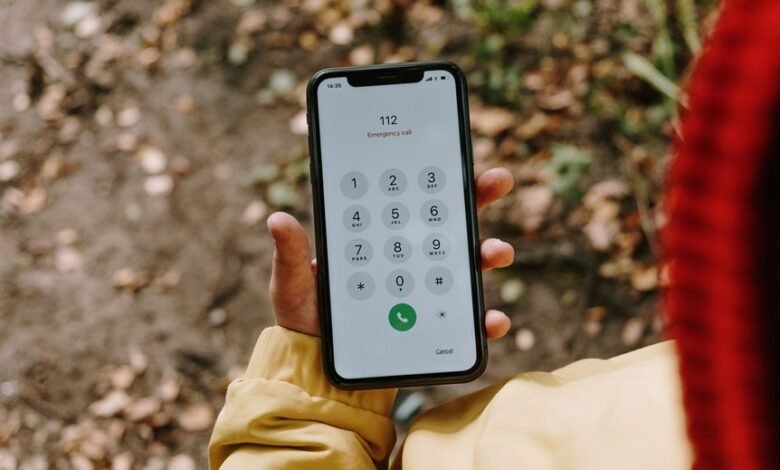
Reverse phone lookup results for 6195774171, 5165660135, 480-281-5775, 7065582506, 6475775581, 6104652002, 1128214900, 415-798-1001, 9512531248, and 6016560727 offer limited, sometimes conflicting data on line type, carrier, and location. The method pooling multiple data sources raises questions about provenance, recency, and accuracy. A cautious, evidence-based approach is needed to interpret any found identifiers, assess risks, and decide subsequent steps, all while remaining vigilant about missing or erroneous details that could mislead conclusions.
What Reverse Phone Lookup Reveals About Unknown Callers
Reverse phone lookups can reveal basic identifiers such as line type, carrier, and approximate geographic location, but they do not guarantee a caller’s identity or intent. The data is partial, often pooled, and susceptible to error. Analysts remain skeptical, noting potential misattribution. Researchers avoid conflating this with certainty, recognizing unrelated topic signals and irrelevant angles that can mislead conclusions about unknown callers.
Step-by-Step Guide: How to Lookup These Numbers Safely
To perform a safe number lookup, practitioners should follow a structured, evidence-based process that prioritizes accuracy, privacy, and transparency. The approach is analytical and skeptical, relying on verifiable sources and reproducible results. Two word discussion ideas: safety steps, privacy practices. Key steps include verifying data provenance, minimizing exposure, and documenting methods. This stance supports freedom while reducing risk from dubious datasets.

Red Flags and Privacy Tips When Dealing With Unknown Calls
Unknown calls often require scrutiny beyond surface impressions. The analysis isolates red flags such as sudden urgency, requests for personal data, or suspicious caller IDs, framing them as measurable privacy risks. A skeptical lens emphasizes minimal data sharing and documented consent practices. Emphasize caller consent where possible, and treat unforeseen requests as nonessential—prioritizing user autonomy and controlled information disclosure.
Choosing the Right Lookup Tools for 6195774171, 5165660135, 480-281-5775, 7065582506, 6475775581, 6104652002, 1128214900, 415-798-1001, 9512531248 & 6016560727
Choosing the right phone-lookup tools for the numbers 6195774171, 5165660135, 480-281-5775, 7065582506, 6475775581, 6104652002, 1128214900, 415-798-1001, 9512531248, and 6016560727 requires a data-driven approach that weighs accuracy, recency, and disclosure policies.
The analysis emphasizes skepticism, verifiability, and transparency.
Two word discussion ideas, lookups safety, guide discerning users toward reliable sources while preserving personal freedom and privacy integrity.
Frequently Asked Questions
Can I Reverse Lookup a Blocked or Private Number?
Yes, but results are unlikely; Blocked numbers and Private numbers often remain hidden, preventing reliable reverse lookup; data-driven audits show limited success, underscoring skepticism about uncovering caller identity. Freedom-minded users should consider consent and legality.
Do Reverse Lookups Reveal Call Timing History?
Reverse lookups do not reveal call timing history. They surface number-owner data, not detailed logs. Analysts note privacy concerns, data accuracy issues, and legal limits; without network-level records, call timing remains inaccessible to outsiders.
Are Results Legally Admissible in Court or Disputes?
Results admissibility varies by jurisdiction and evidence rules; generally, reverse-phone findings may be admissible if properly authenticated, chain of custody preserved, and privacy implications weighed. Data-driven scrutiny emphasizes reliability, relevance, and potential prejudicial impact on disputes.
How Accurate Are Results for VOIP vs. Landlines?
VOIP results generally show lower accuracy than landlines due to dynamic addressing and provider variations; accuracy comparisons indicate VOIP’s susceptibility to misrouting, while landlines offer stable mapping. Data-driven evaluation urges cautious interpretation for freedom-minded audiences.
Do Lookup Services Share My Data With Third Parties?
Ironically, yes, lookup services often engage in data privacy tradeoffs, yet claims of strict privacy are common. The analysis shows varying third party sharing practices, with transparency gaps and inconsistent enforcement across providers.
Conclusion
Conclusion (75 words, third-person, analytical and skeptical):
The data gathered from reverse lookup for the listed numbers remains inherently uncertain, with provenance gaps and variable source quality. The prudent analyst treats findings as potential indicators rather than confirmations, cross-checking with verifiable records and recent activity. In essence, one should proceed cautiously: “trust, but verify.” Effective practices include documenting sources, noting recency, and acknowledging false positives, because a phone number alone rarely reveals a caller’s true intent or identity.