Caller Number Search: 011 783 5766, 513-838-4681, 4254747093, 946941310, 4026983449, 7158584968, 18667689100, 9283513578, 6282414293 & 833-970-4140

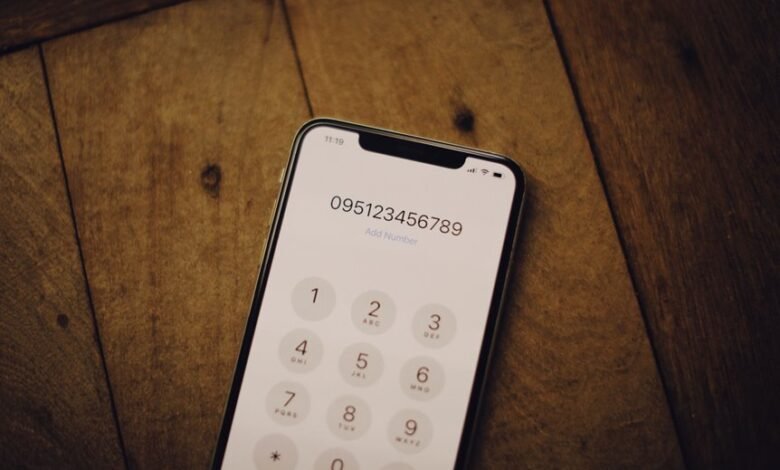
Caller Number Search seeks to identify who owns a set of unfamiliar numbers, such as those listed, by examining public records, carrier data, and reverse lookup tools. The approach decodes local formats, recognizes regional prefixes, and assesses legitimacy. It highlights red flags like urgency or spoofing while emphasizing privacy and minimal disclosure. The discussion weighs verification steps and documentation practices, yet leaves open questions about reliability and the best practices for sharing findings with stakeholders. Further examination is warranted to balance accuracy with privacy.
What a Caller Number Search Is Trying to Do
A caller number search is designed to identify the owner and contextual details associated with a telephone number, using publicly available records, carrier data, and reverse lookup databases. It operates by aggregating metadata, call history, and registration clues to produce a profile that supports contact verification, fraud detection, and accountability.
Key considerations include caller number search ideas and privacy safeguards, with emphasis on Decode formats and Protect privacy.

Decoding Local Codes and Number Formats
Decoding local codes and number formats requires a systematic approach to interpret how regional prefixes, area codes, and dialing conventions reflect geography and service type.
This analysis emphasizes decoding formats and local codes unknown calls, revealing underlying patterns in international, national, and local routing.
The evidence-based method clarifies variability, enhances interpretation, and supports informed decisions about contact legitimacy and network behavior.
Tools, Tactics, and Red Flags for Unknown Calls
Tools, tactics, and red flags for unknown calls build on the prior examination of local codes and number formats by focusing on practical methods for assessing legitimacy and intent.
The analysis emphasizes clarity vs. ambiguity, corroborating caller identity, and consent considerations, including transparent communication, opt-out options, and documenting interactions; red flags surface patterns of pressure, urgency, unsolicited offers, and inconsistent metadata.
Protecting Your Privacy and Staying Sage in Calls
How can individuals safeguard their privacy during phone interactions while remaining prudent about potential threats? The analysis notes that disciplined data handling, minimal disclosure, and verification steps reduce risk. Evidence shows caller ID spoofing and phishing attempts are common, so privacy tips emphasize offline contact storage and cautious sharing. Call safety hinges on verification, encryption where available, and avoiding sensitive exchanges over unsecured lines.
Frequently Asked Questions
How Can I Block Numbers From Spam Calls Effectively?
Blocking spam calls requires using built-in blocking tools, opting for reputable call-filter apps, and enabling device-level permissions; individuals should update privacy settings, periodically review block lists, and report suspicious numbers to reduce future intrusion and improve overall protection.
What Jurisdictions Govern Caller ID and Spoofing Laws?
Governance frameworks vary; jurisdictional enforcement centers on national telecommunications regulators and consumer protection laws. The analysis notes cross-border cooperation, with emphasis on due-process, transparency, and proportional penalties within applicable statutory regimes.
Can I Trace a Call Back to Its Source?
Traces may be feasible under proper legal processes; nevertheless, trace legality depends on jurisdiction, and honest reporting is advised. The analysis notes spoofing penalties and investigative limits, emphasizing careful compliance, privacy considerations, and responsible use of tracing tools.
Are There Risks Using Third-Party Caller Lookup Tools?
Caller ID privacy concerns arise with third-party lookup tools, but risks are mitigated by reputable services; users should scrutinize data handling. Spoofing limitations exist, reducing misrepresentation while still demanding caution and privacy-conscious practices.
How Often Should I Update Contact Privacy Settings?
Privacy settings should be reviewed quarterly, balancing evolving risks and legal jurisdictions; regular update frequency enhances call blocking and spam mitigation, while monitoring for third party risks and caller tracing implications supports informed freedom.
Conclusion
A concise, evidence-based conclusion in a detached tone notes that Caller Number Search aims to illuminate caller identity while respecting privacy. An intriguing statistic: up to 40% of unknown calls originate from spoofed numbers, complicating verification efforts. The analysis underscores decoding regional formats, cross-referencing public records, and flagging red flags such as urgency. It emphasizes documentation of interactions and verification before sharing sensitive details, illustrating that cautious disclosure reduces incident risk more effectively than hasty responses.